طعام
The Halal Trust Gap
Almost two million Muslims in Canada still walk out of restaurants unsure the food is really halal. Here is why it happens, and how we close it.
Almost all of us have done it. You stand in a restaurant, you look at the halal sign in the window, and you still feel unsure enough to walk out. That instinct is not paranoia. It is earned.
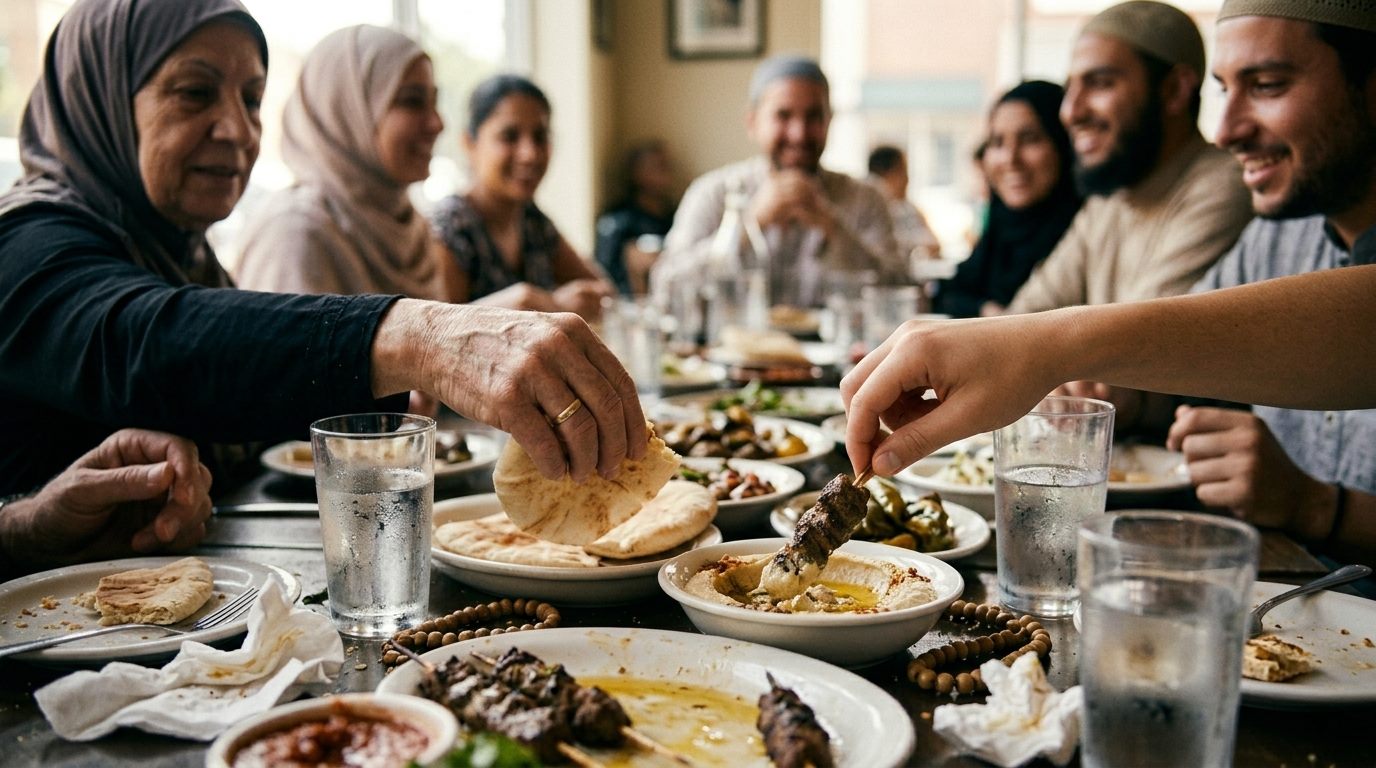
Eating out when you can't verify
When even trusted Muslim food reviewers cannot get straight answers from big-name chains, the doubt is earned. A 2024 CBC Marketplace investigation went undercover at ten locations of major fast-food chains across the Greater Toronto Area. Many of them could not answer basic questions about the halal food they serve, or back up their certification claims.2
Four of the ten locations either could not say, or got it wrong, when asked whether the meat was hand or machine slaughtered.
For a Muslim this carries real weight. One imam told CBC that being fed machine-cut meat presented as hand-slaughtered is a serious violation of trust, and that it touches a person's relationship with God. That feeling follows you to every meal out.
A dozen certifiers, zero referees
People assume halal certified means one clear, consistent thing. In Canada it does not. There are more than a dozen certifiers, each with its own rules, and nobody regulates the certifiers themselves.3 Reputable bodies disagree on the basics. Some accept only hand slaughter and reject machine-slaughtered poultry. Others consider it acceptable.4
Anyone can become a certifier. There is no accreditation. That is really the missing link.
When two respected bodies cannot agree on whether your chicken is halal, the burden lands on you. You end up doing detective work before dinner, and the label on its own stops being enough to set your heart at ease.
Fraud, mislabeling, weak oversight
Where demand is high and oversight is weak, fraud follows. Canada has real cases of non-halal meat sold as halal. The Halal Monitoring Authority was founded in 2004, after community investigations found a distributor putting fake halal labels on non-halal meat that reached grocery shelves across the GTA.5
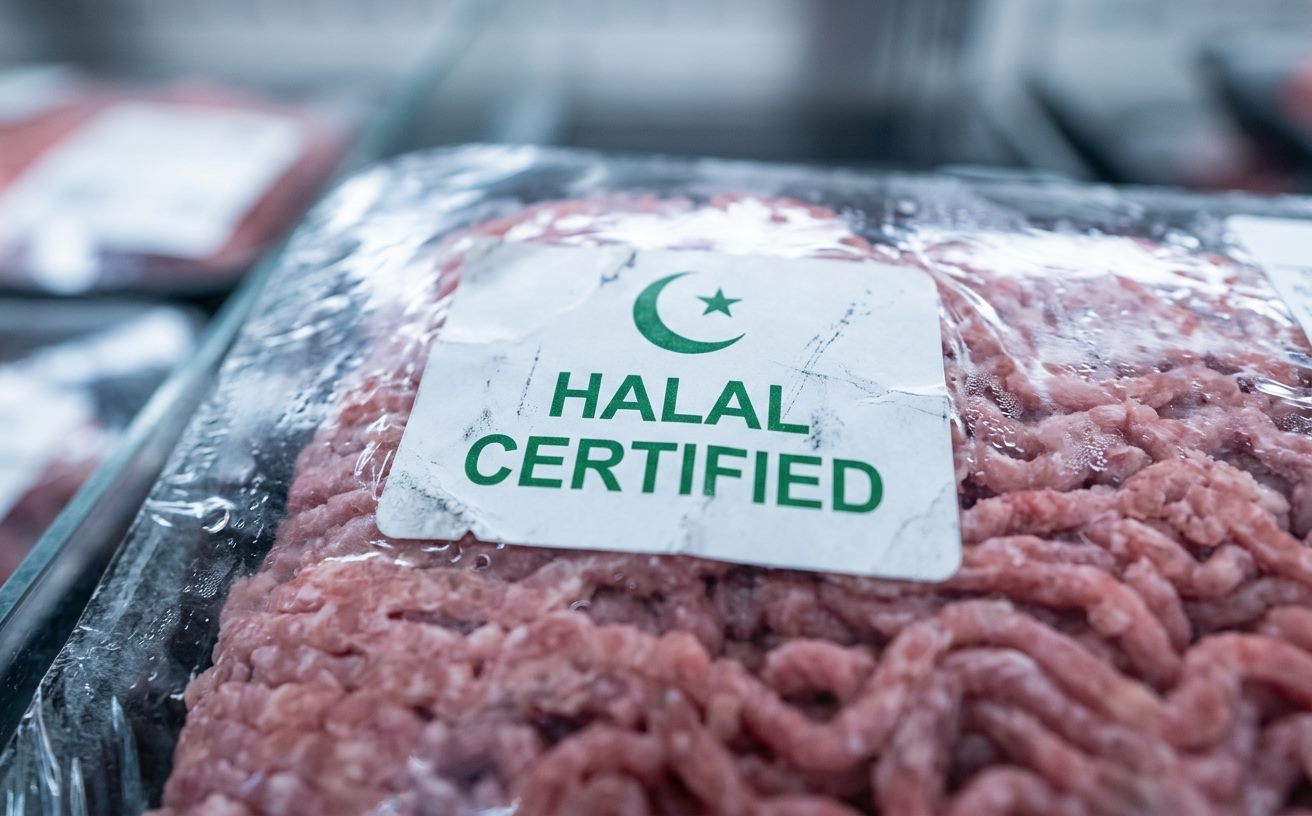
Fraud turns an act of worship into a gamble. You can read the label, look for the certification, do everything right, and still be deceived through no fault of your own.
أمانة
Amanah · trust
Being served haram meat unknowingly breaks something sacred.
“Only the chicken is halal”
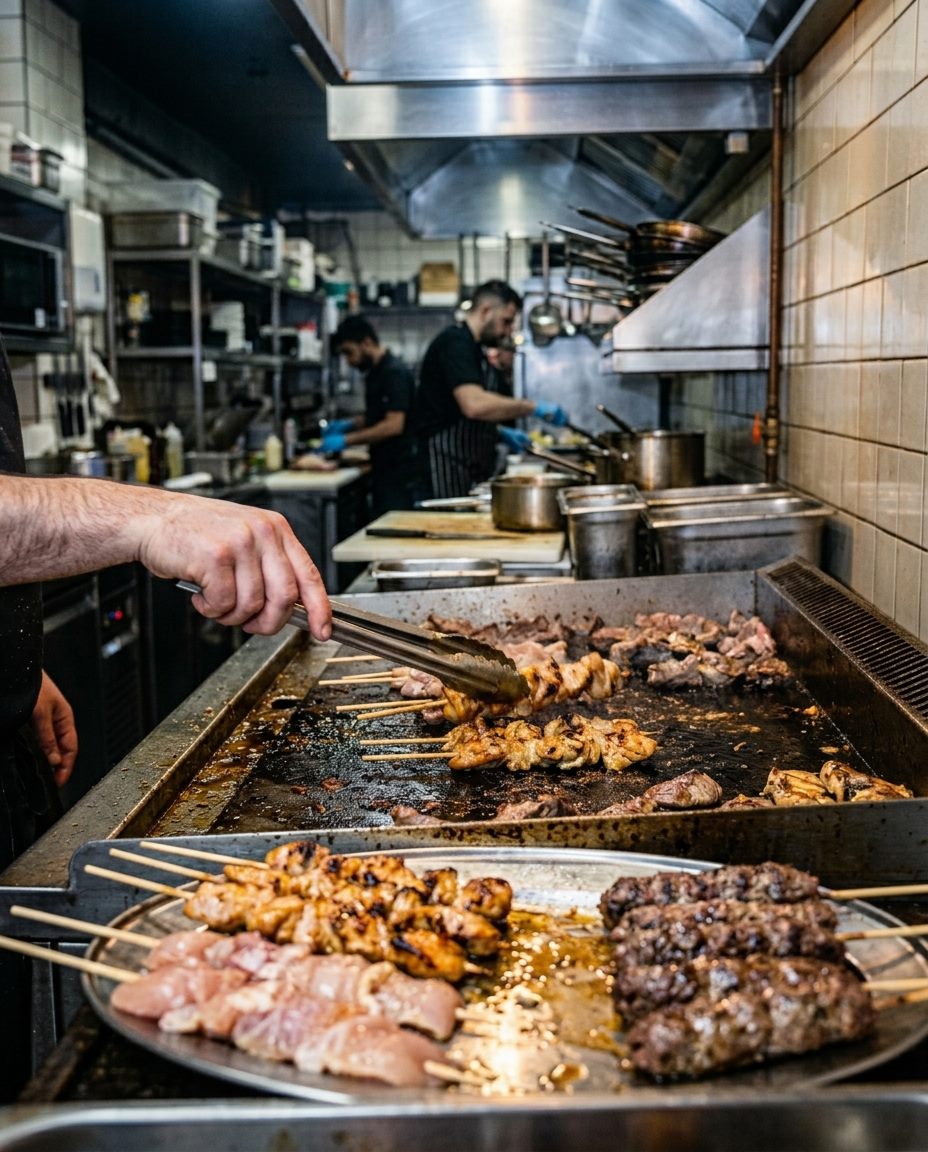
Plenty of restaurants are only partly halal. The chicken might be halal while the beef is not, or halal and non-halal share the same fryer. A vague halal options line hides all of it. CBC found chains using a supplier's certificate to suggest the whole restaurant was certified. It happened at six of the ten locations they visited.2
A whole restaurant is only truly certified when every ingredient it uses has been checked.
Partly halal quietly moves all the risk onto you, asking you to question staff about every item. Most people will not, so they either avoid the place or eat with a knot in their stomach.
Halal food deserts outside the metros
In big cities you have plenty of choice. Drive an hour out and the picture changes quickly. Outside the major centres, families often travel long distances to reach halal food they trust.6 Access should not depend on your postal code.
Convenience without trust
The big delivery apps treat halal as a search tag you can apply yourself, not a fact that anyone verified. When an order goes wrong, support can feel like a wall. Halal shoppers moved online faster than most: 72 percent shop online, against 53 percent of the general public.7 They got the convenience. The trust did not follow.
A large, underserved community
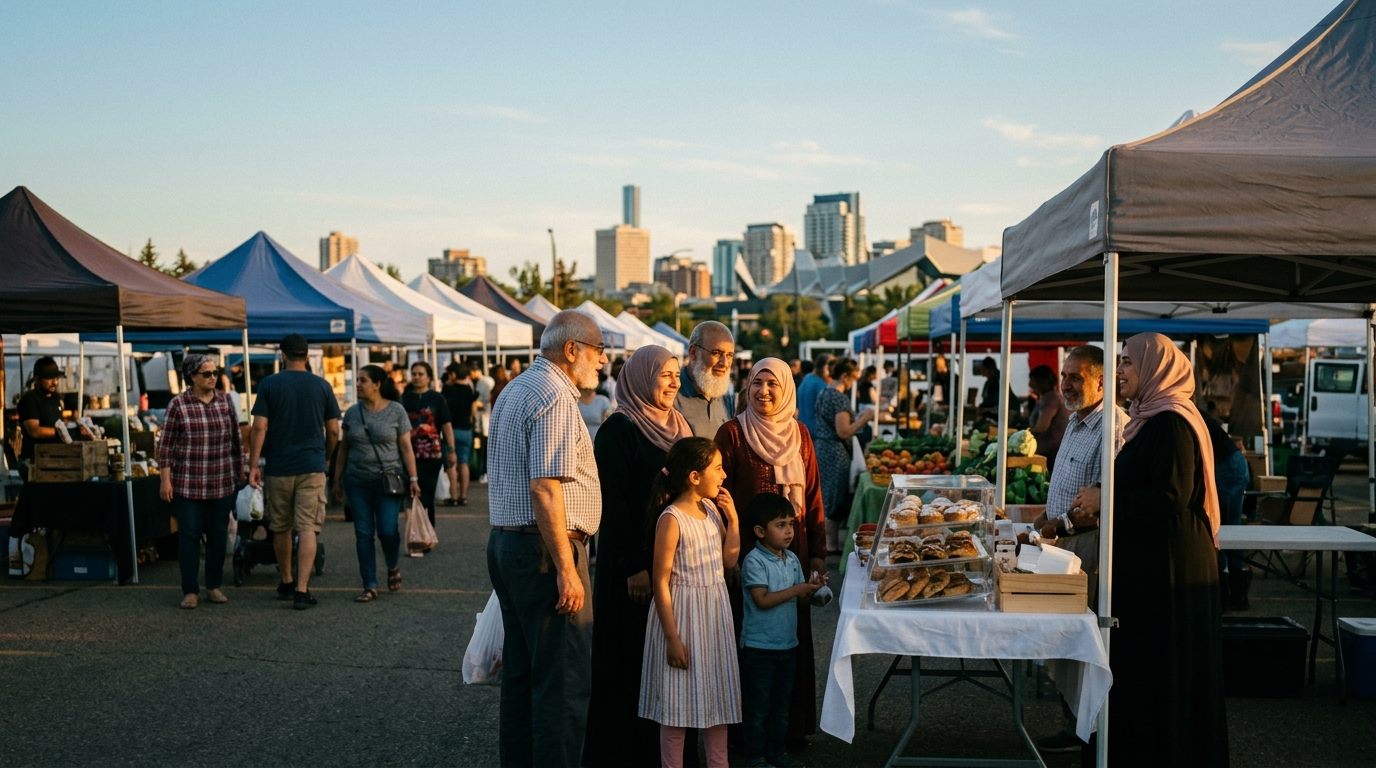
The community behind these numbers is young, with a median age of just 30, and it is growing fast. North America's Muslim consumer market on its own is worth about US$186 billion, and most of it rates Islamic values as very or extremely important to how they eat.11 Even so, study after study finds them underserved. A majority say grocers and major food companies do not meet their needs.9
This is the gap a transparency-first halal platform is built to close. Convenience is already everywhere. Trust is the part that has been missing.
طعام
We built Taeam to end the guessing.
Know exactly what you are eating, every protein and every method, before you order.
References
- 1.A snapshot of the Muslim population in Canada. Statistics Canada, 2022. Link
- 2.Fast-food chains serving up halal food with a side of misinformation. CBC Marketplace, 2024. Link
- 3.Halal labelling rules kick in, but certifying organizations remain unregulated. CBC News, 2016. Link
- 4.New rule for halal labelling leaves industry open to deception. The Globe and Mail, 2016. Link
- 5.Muslim community cracking down on fake Halal foods. Global News, 2014. Link
- 6.Fragmented landscape dents Canada’s promising halal food space. Salaam Gateway, 2024. Link
- 7.2022 Halal Shopper Study (72% shop online). Nourish Food Marketing, 2022. Link
- 8.How grocers can meet the needs of halal shoppers ($1B / 13%). Canadian Grocer, 2024. Link
- 9.Is there a gap in how halal consumers are served? (57% / 62%). Strategy, 2018. Link
- 10.State of the Global Islamic Economy Report 2024/25. DinarStandard. Link
- 11.Thrive 2025, North America Muslim Market Report (US$186B). DinarStandard, 2025. Link
© 2026 Taeam Technologies Inc.